Advertisements
Forest Bathing Stress Relief: How Walking Among Trees Literally Changed My Life
Here’s a stat that honestly blew my mind — a study published in Environmental Health and Preventive Medicine found that spending just 15 minutes walking in a forest can significantly lower cortisol levels compared to walking in an urban environment. Fifteen minutes! I remember reading that on a particularly rough Wednesday evening last year, when my stress was through the roof and I could barely sleep. That little nugget of info sent me down a rabbit hole into the world of forest bathing, and honestly, I haven’t looked back since.
Forest bathing — or shinrin-yoku as it’s called in Japan where it originated — isn’t some woo-woo trend. It’s a legitimate nature therapy practice that’s been studied extensively since the 1980s. And if you’re anything like I was, drowning in deadlines and tension headaches, this might be exactly what you need.
What Exactly Is Forest Bathing? (No, You Don’t Need a Towel)
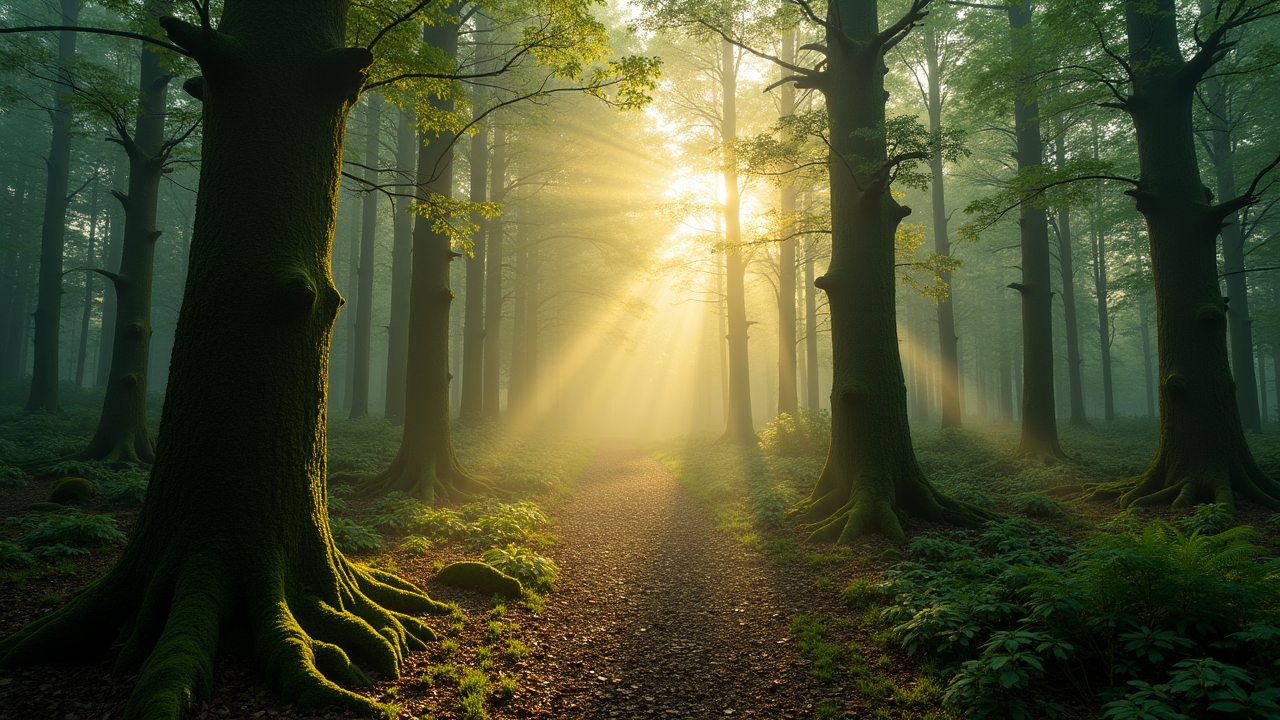
Okay so I gotta be honest — when my friend first suggested forest bathing, I pictured some weird ritual involving a creek and nudity. Thankfully it’s nothing like that. Forest bathing is simply the practice of immersing yourself in a natural woodland environment using all five senses, slowly and intentionally.
You’re not hiking to hit a step count. You’re not trying to reach a summit or burn calories. The whole point is to just be among the trees, breathe in the phytoncides (those are the natural oils trees release), and let your nervous system calm down on its own.
The U.S. Forest Service has actually recognized the mental health benefits of spending time in forests, which gives the practice some serious credibility beyond just anecdotal evidence.
My First Attempt Was a Total Disaster
I’ll never forget my first try. I drove 40 minutes to a local nature preserve, stomped through the trail in my running shoes, checked my phone six times in ten minutes, and left feeling more annoyed than relaxed. I was doing it completely wrong.
The mistake? I treated it like a task on my to-do list. Forest bathing for stress relief only works when you actually slow down — like painfully slow. I’m talking stop-and-stare-at-a-leaf slow.
On my second attempt, I left the phone in the car. That single change was a game-changer. Within about twenty minutes of just wandering aimlessly and listening to birds, I felt this weird wave of calm wash over me. My shoulders dropped from my ears for the first time in weeks.
Practical Tips That Actually Work
After about a year of regular forest bathing, here’s what I’ve learned works best for managing stress and anxiety through nature immersion:
Advertisements
- Leave your phone behind. Seriously. Or at least put it on airplane mode. The whole point is disconnecting.
- Go alone sometimes. I love my friends, but solo sessions are way more restorative for mindfulness in nature.
- Aim for at least 20-30 minutes. Research from Frontiers in Psychology suggests that 20 minutes is kind of the sweet spot where cortisol levels really start to drop.
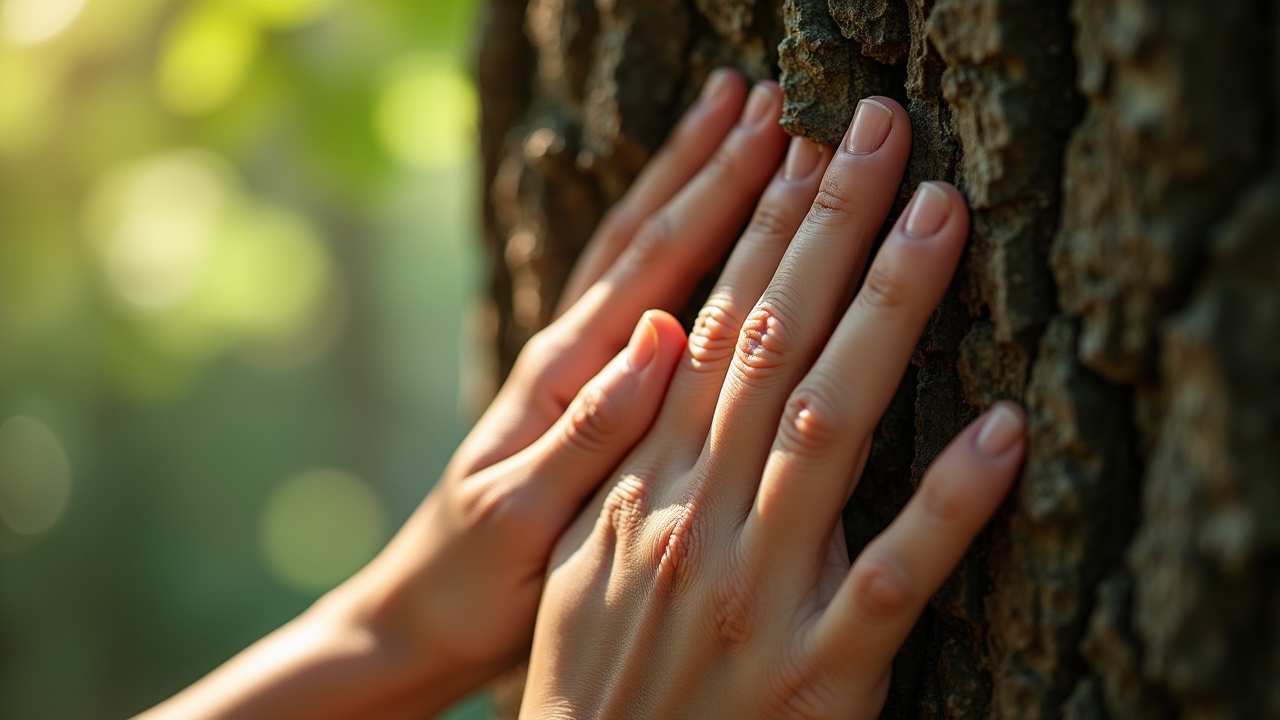
- Engage your senses deliberately. Touch the bark. Smell the soil. Listen to what’s happening around you without labeling it.
- Don’t pick a “hard” trail. Flat, easy paths are perfect. You want your body relaxed, not huffing uphill.
One thing that surprised me was how much the practice improved my sleep quality. After an evening session, I’d fall asleep faster and wake up less groggy. That alone made it worth the effort.
It’s Not Just Hippie Stuff — The Science Is Real
Look, I was skeptical too. But the evidence for forest therapy reducing blood pressure, boosting immune function, and lowering stress hormones is pretty solid at this point. Japanese researchers have been documenting these effects for decades, and Western science is finally catching up.
Your body responds to natural environments in ways that a gym or meditation app simply can’t replicate. There’s something about the combination of fresh air, natural light, and the quiet rhythm of a forest that resets your whole system.
Your Trees Are Waiting
Forest bathing isn’t a cure-all, and if you’re dealing with serious mental health challenges, please talk to a professional. But as a complementary practice for everyday stress relief? It’s been was one of the best things I’ve ever added to my routine.
Start small. Find a local park with decent tree cover and give yourself permission to just wander for twenty minutes. You might feel silly at first — I sure did. But stick with it.
Want more ideas for recharging your mind and body? Head over to Pow Pow Charge and explore our other posts on wellness, recovery, and living with a little more intention. Your future, less-stressed self will thank you!