Advertisements

Grounding Barefoot Benefits: Why I Ditched My Shoes and Never Looked Back
Here’s a wild stat that honestly blew my mind — humans spent roughly 99% of our evolutionary history in direct contact with the earth. And now? We wrap our feet in rubber-soled shoes, walk on concrete, and wonder why we feel so disconnected. I stumbled into barefoot grounding almost by accident a couple years ago, and let me tell you, it’s been one of those things I wish I’d known about way sooner!
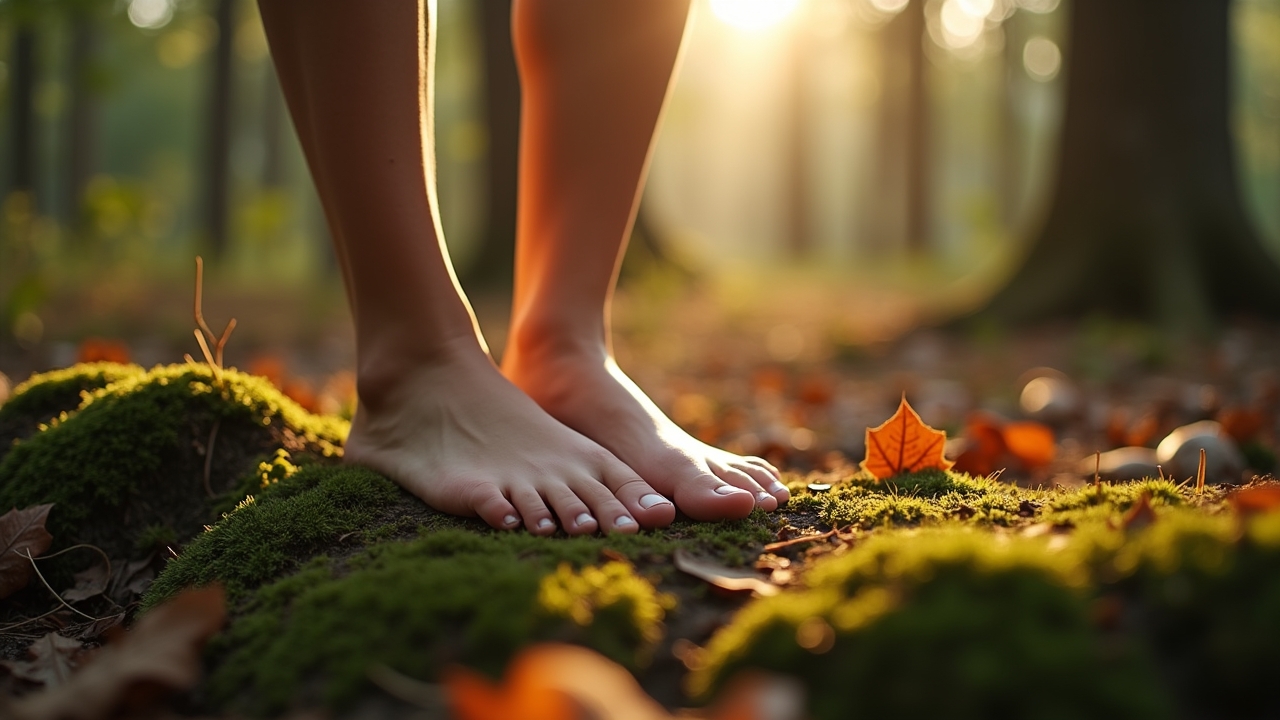
Earthing, or grounding, is the simple practice of making direct skin contact with the earth’s surface. We’re talking grass, soil, sand, even natural bodies of water. It sounds almost too simple to be real, but the science behind it is actually pretty fascinating.
What Exactly Happens When Your Bare Feet Touch the Earth?
So here’s the deal. The earth has a mild negative electrical charge, and when your bare skin touches it, free electrons transfer into your body. These electrons act as natural antioxidants, and they help neutralize free radicals that cause inflammation and cellular damage.
I remember the first time I read about this on a study published in the Journal of Environmental and Public Health, and I was honestly skeptical. Like, really skeptical. But then I tried standing barefoot on my backyard grass for 20 minutes every morning, and something shifted — I just felt calmer, almost like my nervous system took a deep breath.
The Health Benefits I’ve Actually Noticed
Let me be real with you — not every benefit happened overnight. Some took weeks to notice. But here’s what grounding barefoot has done for me and what research supports:
- Reduced inflammation: My achy knees after long teaching days got noticeably better. Studies from the National Institutes of Health have shown that earthing can reduce markers of chronic inflammation.
- Better sleep quality: This one was huge. I used to toss and turn like a rotisserie chicken, but after about two weeks of daily grounding, I started falling asleep faster and waking up less groggy.
- Stress and cortisol reduction: That constant low-level anxiety I carried around? It dialed way down. Grounding has been shown to normalize cortisol levels, which is your body’s main stress hormone.
- Improved circulation: My feet used to get cold all the time — like weirdly cold. After consistent barefoot grounding, blood flow seemed to improve. There’s actually research showing that earthing can reduce blood viscosity, which is a major factor in cardiovascular health.
How to Start Grounding (Without Looking Weird)
Okay, I’ll admit it. The first time I stood barefoot in my front yard, my neighbor gave me this look like I’d lost it. But honestly, who cares? Here’s how I eased into it without making it a whole production.
Start small — just 10 to 15 minutes a day. Walk on natural grass, dirt, or sand. Concrete can work too since its a conductor, but asphalt and wood don’t really do the trick because they’re insulators. Morning time worked best for me because it doubled as a little mindfulness ritual before the chaos of the day kicked in.
One mistake I made early on was trying to do it in winter on frozen ground. Bad idea. My feet went numb in about three minutes and I slipped on a patch of icy mud. Not my proudest moment. So yeah, be smart about it — if it’s cold outside, you can also try grounding mats indoors, though I personally prefer the real thing.
Is There Legit Science Behind This, or Is It Woo-Woo?
I get this question a lot. And honestly, it’s fair. The grounding movement does attract some pretty out-there claims. But there’s a growing body of peer-reviewed research that supports the core benefits — reduced inflammation, improved sleep, lower stress levels, and better cardiovascular function.
Advertisements
That said, grounding isn’t a replacement for medical treatment. It’s more like a complement to an overall healthy lifestyle. Think of it as one more tool in your wellness toolkit, not a magic cure-all.
Your Feet Were Made for This
At the end of the day, barefoot grounding is free, accessible, and backed by enough science to make it worth trying. Start where you’re comfortable, listen to your body, and adjust based on what feels right for you. Just maybe skip the frozen mud — trust me on that one.
If you enjoyed this deep dive, head over to Pow Pow Charge for more posts on natural wellness, energy, and living a more connected life. Your feet — and your nervous system — will thank you!