Advertisements
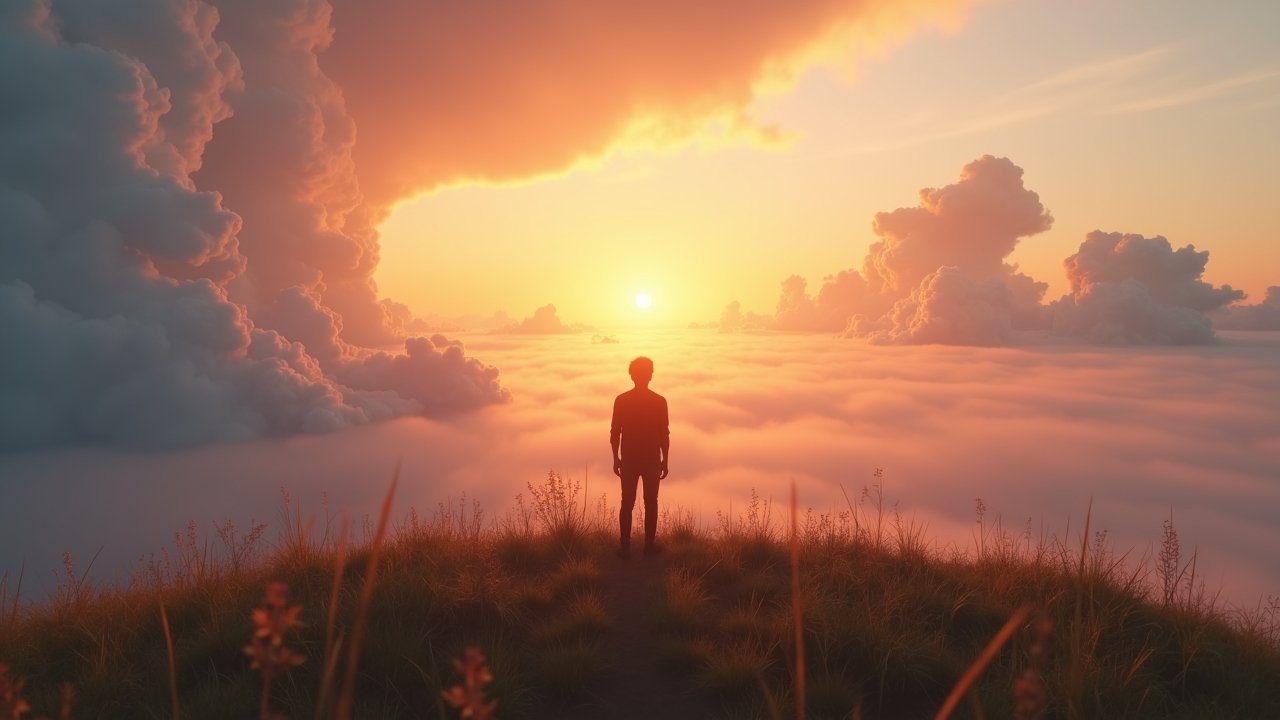
Why I Finally Learned to Sit Still Outside (And Why You Should Too)
Did you know that a study from Stanford found just 90 minutes of walking in nature can measurably reduce activity in the part of your brain linked to depression? Ninety minutes! I read that stat years ago and thought, “cool, but I don’t have time for that.” Well, friend, I was wrong, and it took me a burnt-out summer to figure out why intentional rest outdoors isn’t a luxury. It’s basically maintenance for your brain, and I wish someone had grabbed me by the shoulders and told me sooner!
My Embarrassing Wake-Up Call
So here’s the thing. I used to think “resting outside” meant scrolling Instagram on my porch. That’s not rest, that’s just moving your stress to a new zip code. I found this out the hard way during a camping trip where I brought my laptop “just in case.” My buddy actually laughed at me, took a photo, and sent it to our whole group chat.
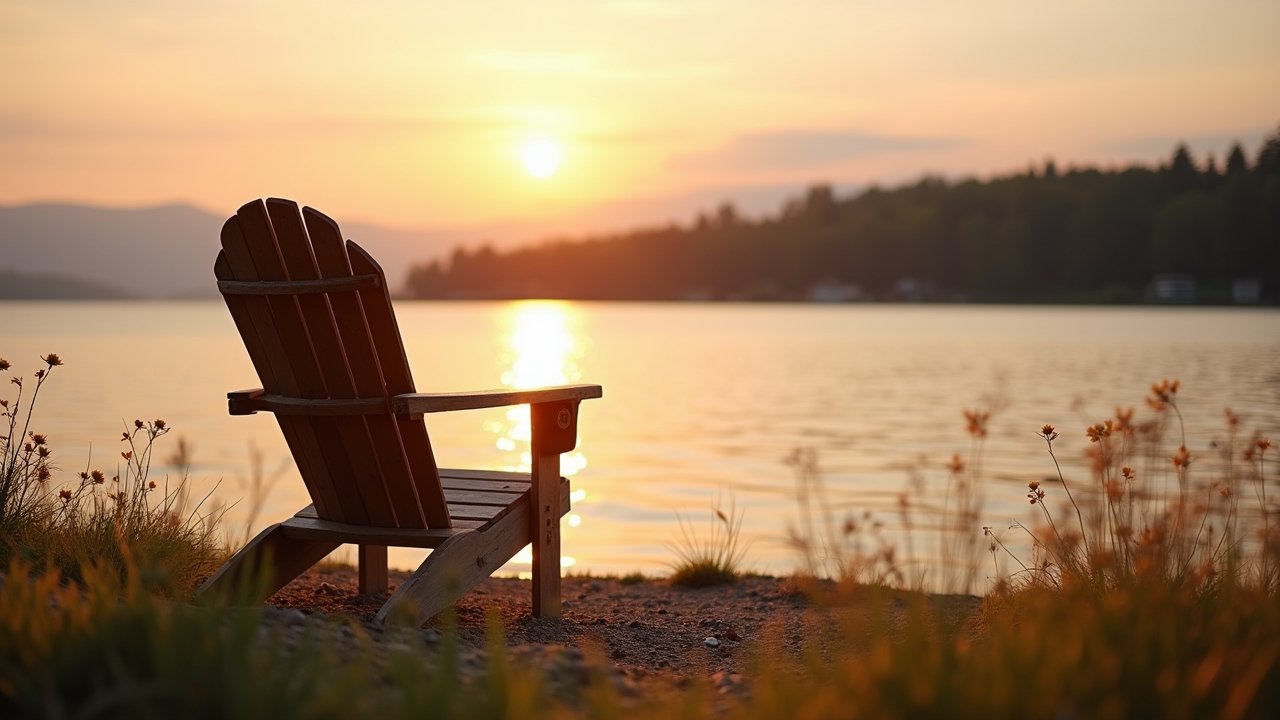
That trip was a disaster in the best way possible. I sat by a lake for three days, completely unplugged (mostly because there was zero signal, thanks a lot), and something shifted. I felt actual boredom, then actual calm. It was weirdly uncomfortable at first, ngl, but by day two I didn’t miss my phone at all.
What Intentional Rest Outdoors Actually Means
Intentional rest isn’t napping in a hammock, though that’s a solid bonus activity. It’s about deliberately choosing to be present outside without a task list attached. Think of it as the opposite of a productivity hack. You’re not trying to optimize anything here, you’re just trying to exist somewhere green or blue or windy for a bit.
- Sitting quietly near water without checking your phone
- Lying in grass and watching clouds like you’re twelve again
- Taking a slow walk with no destination or step-count goal
- Journaling on a bench without an agenda
Researchers call this “soft fascination,” a term I learned from environmental psychologist Rachel Kaplan’s work on Attention Restoration Theory. Basically, nature holds your attention gently, unlike your inbox, which grabs it and shakes it around.
The Gear Mistake I Made (And You Shouldn’t)
Here’s a confession. My first few attempts at outdoor rest were ruined because my gear died on me. Nothing kills the vibe faster than your phone battery hitting 2% right when you’re trying to photograph a sunset, or your speaker cutting out during a chill evening by the fire. I learned the hard way that having reliable power on hand actually helps you rest better, because you’re not anxious about your devices dying in the middle of nowhere.
That’s honestly why I started keeping a portable power station in my car. It sounds counterintuitive, bringing tech to help you disconnect, but hear me out. When you know your phone won’t die if you need it for an emergency or a map, you relax more into the moment instead of rationing your battery like it’s the apocalypse.
Practical Tips That Actually Worked For Me
I’ve messed this up plenty, so let me save you some trouble. First, pick a spot before you go, don’t wander around aimlessly hunting for “the perfect view.” Second, set a loose time limit, like two hours, so you’re not anxious about the whole day disappearing.
- Bring a blanket or chair, comfort matters more than you’d think
- Leave your phone in airplane mode, not off completely (for safety)
- Bring water and snacks so hunger doesn’t cut your rest short
- Go at odd hours, early morning or dusk, when it’s quieter
One time I tried this at noon on a Saturday and the park was packed with soccer games and birthday parties. Rest was not happening. Lesson learned, timing is everything.
Advertisements
The Science Bit, Because I’m a Nerd About This
Cortisol levels drop measurably after time spent outdoors, according to research published by the Frontiers in Psychology journal. That’s your stress hormone, just chilling out because you decided to sit under a tree for twenty minutes. It’s kind of wild that something so simple works so well, yet most of us treat rest like it needs to be earned or scheduled around everything else.
I’m not saying quit your job and live in the woods. I’m saying maybe don’t bring your laptop camping next time, unlike a certain someone who shall remain me.
Making It A Habit, Not A One-Time Thing
The real trick isn’t doing this once and feeling amazing, it’s building it into your week somehow. I now block off Sunday mornings for a walk with zero destination. No podcasts, no phone calls, nothing. Just me, some birds, and occasionally a very judgmental squirrel.
Some weeks I skip it because life happens, and that’s fine too. This isn’t about perfection, it’s about giving yourself permission to rest without guilt attached.
Your Turn to Give It a Shot
Look, intentional rest outdoors isn’t complicated, but it does require actually doing it instead of just reading about it (like you’re doing right now, no judgment). Find your version, whether that’s a lake, a backyard hammock, or a random field near your apartment. Just make sure you’re prepared, especially if you’re bringing devices along for safety reasons, because nothing ruins calm faster than a dead battery in an unfamiliar spot.
If you want more ideas on how to make your outdoor time act