Advertisements

Why Screen Boundaries at Work Saved My Sanity (And Might Save Yours Too)
Did you know the average office worker checks their screen every 6 minutes? I read that stat somewhere and my jaw hit the floor, because honestly, that sounds exactly like me on a bad day! Screen boundaries at work aren’t just some trendy wellness buzzword your HR department throws around during “mental health month.” They’re actually the difference between going home feeling human versus going home feeling like a fried circuit board.
I learned this the hard way. Like, really the hard way. So let me tell you what happened, and hopefully you can skip the painful lesson I had to learn myself.
The Time I Basically Became a Screen
A few years back, I was working this job where I genuinely believed being “always on” meant being good at my job. Emails at 6am? Sure. Slack notifications during dinner? Why not! I was answering messages while brushing my teeth, I’m not even kidding. My eyes were constantly dry, my neck hurt, and my wife started calling me “the zombie” because I’d stare at my phone mid-conversation.
Here’s the thing though—I wasn’t more productive. I was just more exhausted. There’s actual research on this too; the American Psychological Association has talked about how constant connectivity messes with our stress levels and honestly our ability to focus on anything for more than five seconds.
What Screen Boundaries Actually Means
Okay so let’s back up. Screen boundaries at work basically means setting limits on when, where, and how you engage with screens during your workday (and after it, too). It’s not about ditching technology altogether—that ship has sailed, folks. It’s about being intentional instead of reactive.
- Setting specific hours for checking email
- Turning off non-essential notifications
- Taking actual screen-free breaks (not just switching from laptop to phone, that doesn’t count!)
- Creating a hard stop time for work communications
- Using “do not disturb” modes without feeling guilty about it
I started small. Ridiculously small, actually. I just turned off email notifications on my phone. That’s it. And weirdly, the world didn’t end.
My Not-So-Graceful Attempt at Setting Limits
My first real attempt at boundaries was a disaster, not gonna lie. I told my team I wouldn’t be answering messages after 6pm. Then I proceeded to sneakily check Slack under the dinner table like some kind of digital addict in recovery. My boundary was more like a suggestion I made to myself and immediately ignored.
It took me actually deleting Slack from my phone (gasp!) to really commit. Was it scary at first? Absolutely. I kept thinking I’d miss something urgent. But you know what? Nothing was ever that urgent. Nothing.
The Mayo Clinic actually points out that constant stress from being “always available” contributes to burnout, anxiety, and even physical symptoms like headaches. I definitely had all three going on at once, so trust me on this one.
Advertisements
Practical Tips That Actually Worked For Me
Here’s what genuinely made a difference, and I say this as someone who tried like ten different strategies before something clicked:
- Physical distance matters—I started putting my phone in another room during focused work blocks
- The 20-20-20 rule helped my eyes big time (every 20 minutes, look at something 20 feet away for 20 seconds)
- I set up an auto-responder for emails outside work hours, which honestly felt liberating
- Blocking off “no meeting, no screen” time for lunch actually became sacred to me
- Using blue light filters helped, though it’s not a magic fix by any means
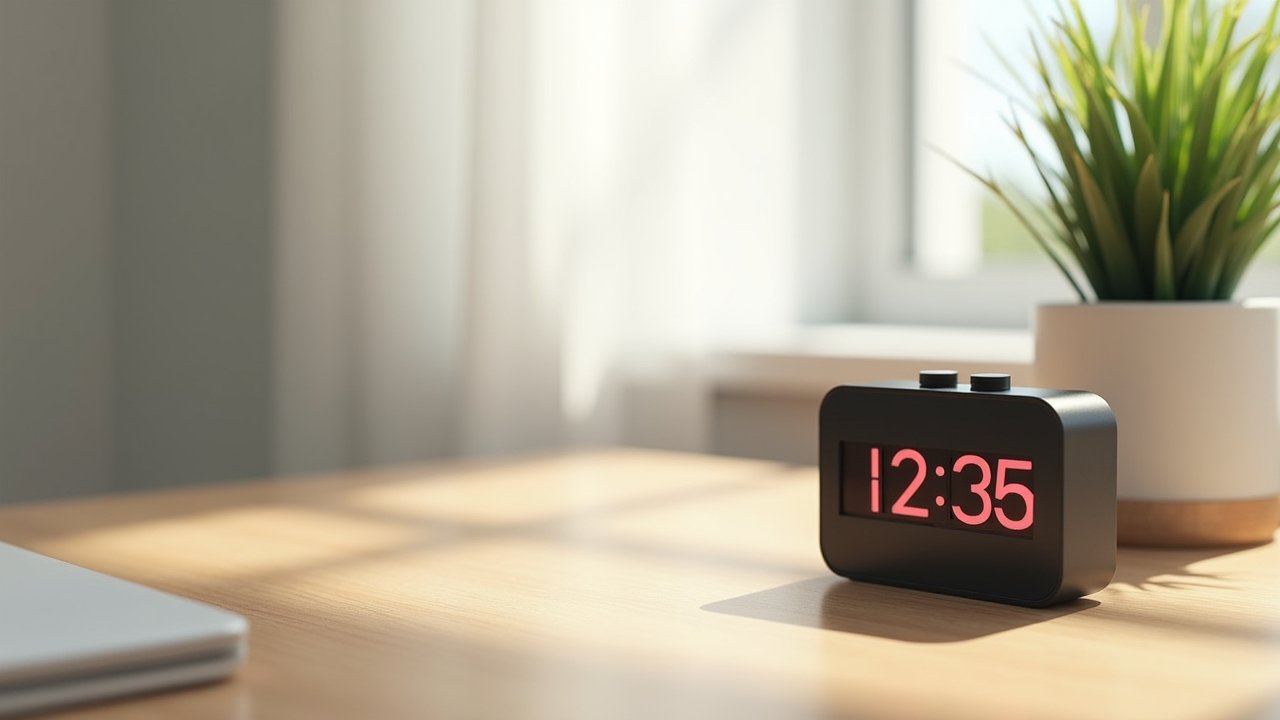
Also, and this is random but stick with me, I started using a mechanical timer instead of my phone’s timer app. Sounds silly, but avoiding the phone for even small tasks reduced how often I picked it up “just to check one thing” and ended up scrolling for 20 minutes.
The Frustrating Part Nobody Talks About
Look, I won’t lie to you, setting screen boundaries at work is genuinely hard when your workplace culture rewards constant availability. I had colleagues who’d message me at odd hours and get annoyed when I didn’t respond immediately. That was frustrating, and honestly a little isolating at first.
But over time, people adjusted. They learned my patterns, and weirdly, I earned more respect for having limits, not less. There’s something powerful about modeling healthy boundaries, even if it feels uncomfortable in the moment.
Where This Gets Kind of Amazing
After a few months of consistent boundaries, I noticed real changes. My focus improved. I wasn’t as anxious checking my phone every five minutes. I actually enjoyed dinner conversations again, which sounds small but felt huge at the time.
The World Health Organization has even highlighted how workplace stress connected to technology overuse affects overall wellbeing globally, so this isn’t just a “me” problem. It’s a widespread issue that more workplaces need to address.
Making These Boundaries Work for You
Everyone’s situation is different, obviously. What worked for me might need tweaking for your specific job, industry, or personality. Maybe you need firmer boundaries, or maybe you just need to