
Advertisements
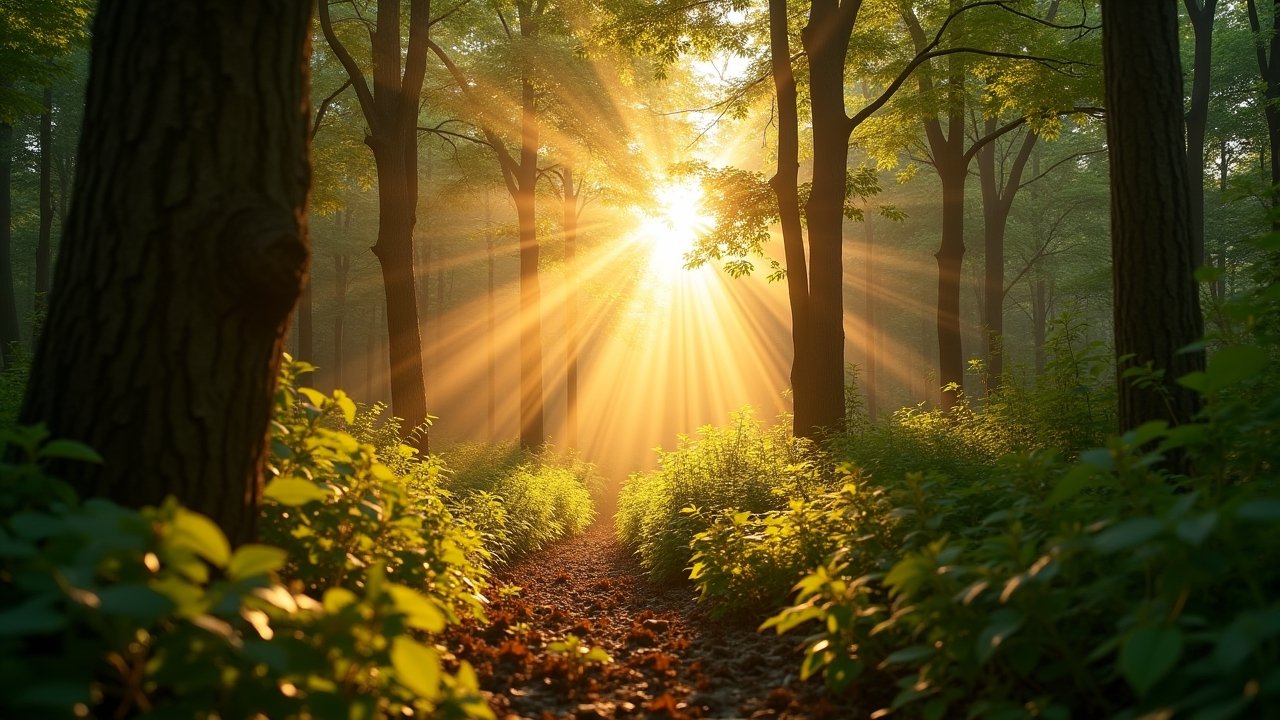
How Natural Light Hormone Regulation Changed My Mornings (And My Sanity)
Did you know your body can tell time better than your phone does? Seriously! There’s this whole internal clock running the show, and it’s mostly set by light. I didn’t believe this stuff mattered until I spent three months feeling like a zombie, dragging myself through workdays with zero energy. Turns out, natural light hormone regulation was the missing piece I’d been ignoring the whole time!
Once I started paying attention to when and how I got sunlight, things shifted. Not overnight, but close enough. If you’ve ever felt “off” without knowing why, stick with me here.
What Even Is Natural Light Hormone Regulation?
Okay so here’s the deal, in plain terms. Your body uses light exposure to control the release of hormones like cortisol and melatonin. Cortisol wakes you up, melatonin puts you to sleep, and light tells your brain when to do which one.
This whole system is called your circadian rhythm, and it’s basically your internal boss. I used to think melatonin was just “the sleep vitamin” you buy at the pharmacy. Wrong! Your body actually makes its own, and light exposure (or lack of it) messes with that production big time.
The Science Bit (Don’t Worry, I’ll Keep It Short)
There’s a tiny cluster of cells in your brain called the suprachiasmatic nucleus. Try saying that five times fast. This little guy receives signals straight from your eyes when light hits them, and it adjusts your hormone production accordingly. The National Institute of General Medical Sciences has a solid breakdown if you want the nerdy details.
My Big Mistake (And What It Taught Me)
For years, I worked in a basement office. No windows, just fluorescent lights buzzing overhead all day long. I’d get home, sit under more artificial light, then wonder why I couldn’t fall asleep until 2 AM.
My cortisol was probably still spiking at midnight because my brain never got a clear “daytime is over” signal. It was rough, ya know? I was cranky, foggy, and honestly kind of miserable without realizing light was the culprit.
The Fix That Actually Worked
A friend suggested I get outside within 30 minutes of waking up, no sunglasses, just raw morning light hitting my eyes. I thought she was being dramatic. She wasn’t.
- I started taking a 10-minute walk right after waking up
- No phone, no coffee first, just walking and looking around
- Within a week, I noticed I was waking up naturally before my alarm
This tiny habit basically reset my whole system. Morning sunlight triggers cortisol release at the right time, which then helps melatonin kick in properly about 14-16 hours later. It’s like dominoes, one thing sets off the next.
Advertisements
Practical Tips for Getting Your Light Right
Here’s what’s helped me the most, based on trial and error (mostly error, if I’m honest):
- Get outside within an hour of waking, even if it’s cloudy, outdoor light is way stronger than indoor light
- Avoid bright screens for at least an hour before bed, blue light confuses your brain into thinking it’s still daytime
- Dim your indoor lights in the evening, warm light signals nighttime is approaching
- If mornings are dark where you live, consider a light therapy lamp, the Harvard Health blog talks about this for seasonal mood stuff too
I’ll admit, I was skeptical about light therapy lamps at first. Felt kinda gimmicky. But during winter, when sunrise happens at like 8 AM where I live, that lamp has been a lifesaver for keeping my energy steady.
Timing Matters More Than You’d Think
One thing that tripped me up for a while, timing isn’t flexible here. Getting sunlight at noon doesn’t have the same effect as getting it right after waking up. The morning light exposure is what really sets your cortisol rhythm for the day.
I made this mistake for weeks, going outside for lunch and wondering why my sleep still stunk. Once I moved my outdoor time to right after waking up, everything clicked into place. Lesson learned, the hard way, as usual.
What About Evening Light?
Evening light matters just as much, but in the opposite direction. Watching a sunset, or just being outside as it gets dark, helps signal melatonin production. I try to catch golden hour a few times a week now, and honestly, it’s kind of become my favorite part of the day.
Plus, it’s free therapy in a way. Watching the sky change colors while your body naturally prepares for rest, there’s something satisfying about that.
Making This Work for You
Everyone’s schedule and environment is different, so don’t feel like you need to copy my exact routine. Maybe mornings aren’t realistic for you because of work or family stuff, and that’s fine. The goal is consistency, not perfection.
Also, quick note, if you have any underlying health conditions or are on medications that affect sleep or hormones, it’s worth chatting with a doctor before making big changes. Light therapy and natural sunlight are generally safe, but everybody’s situation is different.
Natural light hormone regulation isn’t some magic fix, but it’s one of those simple, free tools that can