Advertisements
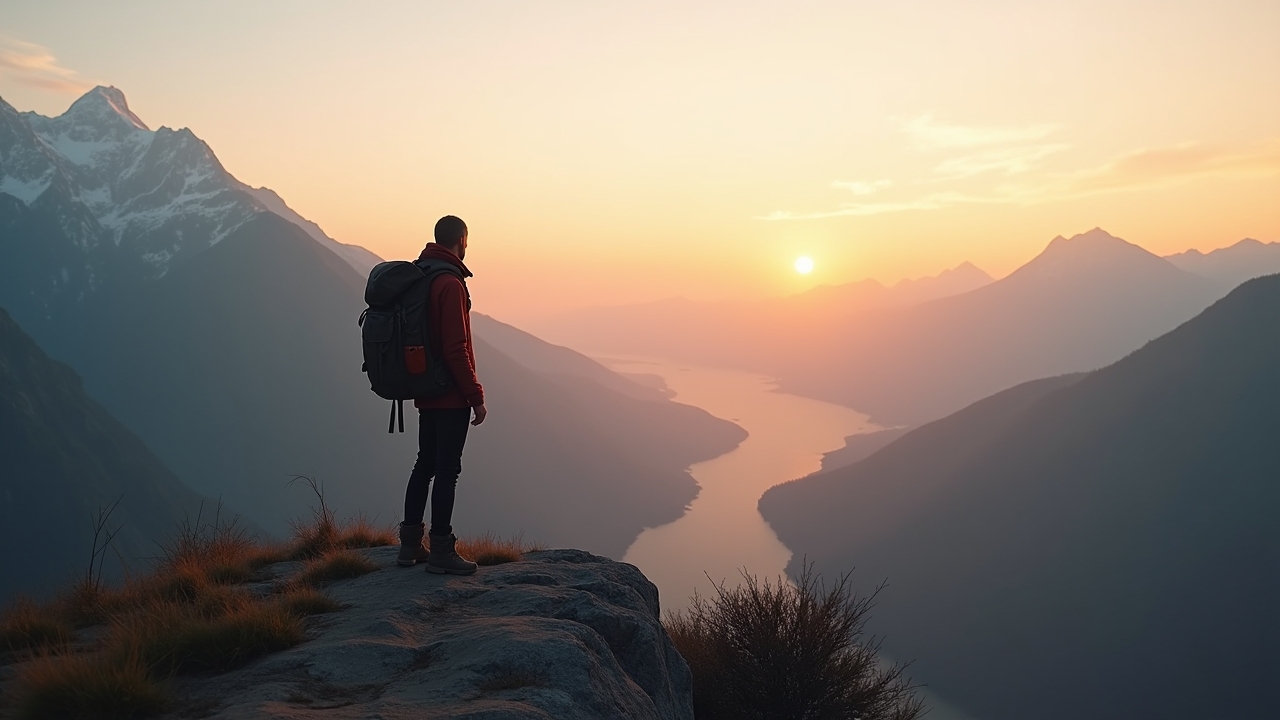
Hiking Without Phone: Why I Left Mine in the Car and Never Looked Back
Here’s a stat that honestly blew my mind — the average person checks their phone 144 times a day. That’s wild, right? I used to be that person on the trail, constantly pulling my phone out for photos, checking AllTrails, scrolling Instagram at the summit. Then one Saturday morning, I accidentally left my phone in the glove compartment before a 6-mile loop in the Smokies, and it completely changed how I think about being outdoors!
What Actually Happens When You Disconnect on the Trail
So let me paint the picture for you. I was about a mile in when I reached for my pocket and realized my phone wasn’t there. My first reaction was pure panic — like that sinking feeling you get when you think you lost your wallet.
But then something weird happened. I started actually noticing stuff. The way the light was filtering through the canopy, a woodpecker going absolutely nuts on a dead oak, the sound of a creek I’d walked past a dozen times before. It was like someone turned the volume up on the whole forest.
I’m not gonna lie, the first 20 minutes were uncomfortable. My hand kept reaching for my pocket out of habit. But after that initial awkwardness, this calm kind of washed over me. It’s hard to explain unless you’ve experienced it yourself.
The Safety Question Everyone Asks
Okay I know what you’re thinking — “isn’t that dangerous?” And yeah, you gotta be smart about it. Hiking without a phone doesn’t mean hiking without preparation. Here’s what I’ve learned to bring instead:
- A paper topographic map of the trail area (you can print them from USGS for free)
- A basic compass — and actually knowing how to use it
- A whistle for emergencies
- Tell someone your route and expected return time, every single time
I made the mistake once of going phoneless on an unfamiliar trail without a physical map. Took a wrong turn and added like two extra miles to my hike. Lesson learned the hard way. Now I always study the route beforehand and carry a printed map, especially on trails I haven’t done before.
The Mental Health Benefits Are Real
This isn’t just hippie talk. Studies from places like the American Psychological Association have shown that time in nature reduces cortisol levels and anxiety. But here’s the thing — those benefits get seriously diluted when you’re still tethered to notifications, work emails, and social media while you’re supposed to be unplugging.
After a few phoneless hikes, I noticed I was sleeping better on those nights. My brain felt less cluttered, almost like it had been defragged. A buddy of mine who’s a therapist calls it “digital detox in nature,” and honestly, it’s been better for my stress than any app could ever be.
How to Actually Do It (Baby Steps Are Fine)
Look, I’m not saying you need to go cold turkey. That’s what worked for me, but everybody’s different. Here’s a progression that might help if the idea of leaving your phone behind gives you anxiety:
Advertisements
- Start by putting your phone on airplane mode during short, familiar hikes
- Next, leave it in your pack’s bottom pocket — out of sight, out of mind
- Then try leaving it locked in your car on trails you know well
- Eventually, work up to longer wilderness hikes without it
One thing that really helped me was getting a cheap digital watch so I could still track time without needing my phone. It sounds silly but knowing what time it was made me feel way more comfortable those first few times.
The Trail Will Still Be There Without a Photo
I think the hardest part for most people is giving up the camera. Trust me, I get it. But here’s what I’ve realized after dozens of phoneless hikes — the memories I formed without a screen between me and the view are actually sharper and more vivid than any photo I ever took.
That said, if photography is genuinely part of your outdoor experience, consider bringing a standalone camera. It gives you the creative outlet without the distraction of a thousand apps competing for your attention.
Leave the Screen, Find the Scene
Hiking without your phone isn’t about being anti-technology. It’s about being intentional with your time in nature and giving your brain a real break. Start small, stay safe, and see how it feels — you might be surprised how much you’ve been missing.
If you’re looking for more tips on balancing tech and the outdoors, check out other posts on Pow Pow Charge. We’ve got plenty of ideas to help you make the most of every adventure!