Advertisements
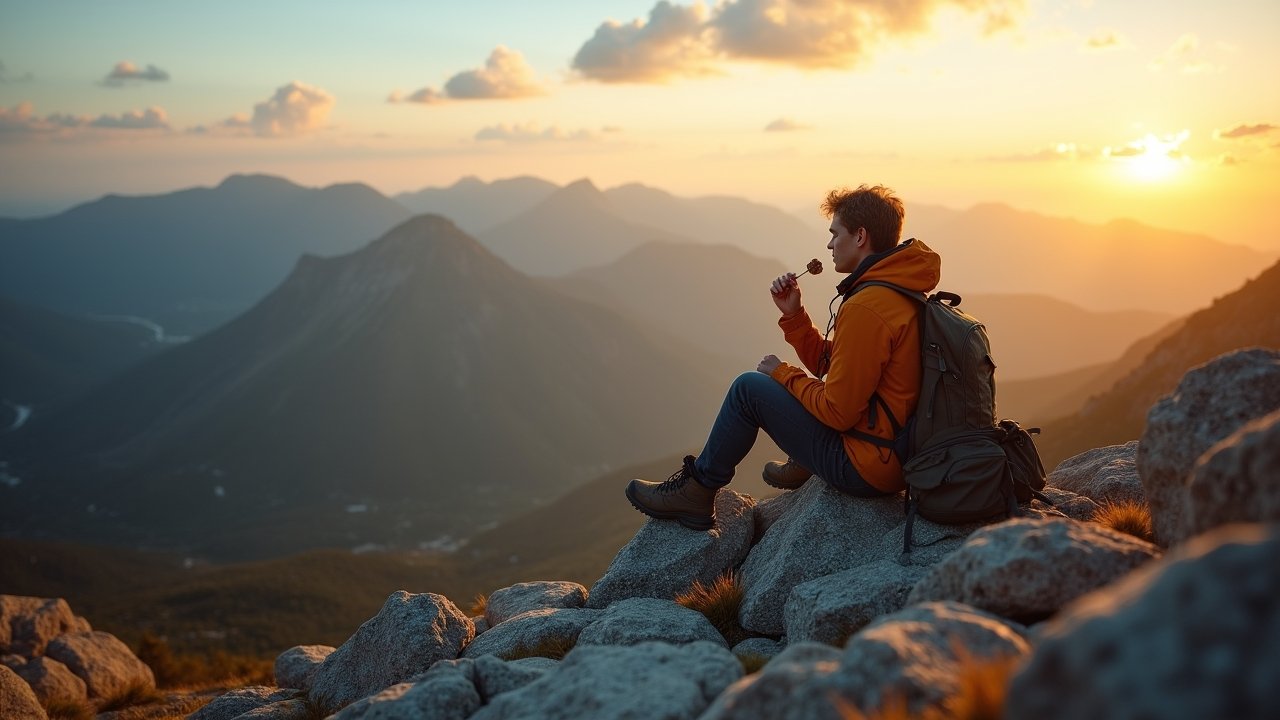
Did you know that hikers who bonk on the trail (yep, that’s a real term) usually did something wrong hours before their legs turned to jelly? I learned this the hard way on a 14-mile loop in the Smokies back in 2019. I packed basically a candy bar and my own overconfidence, and let me tell you, that last three miles felt like I was dragging a refrigerator behind me!
Trail hiking nutrition isn’t just about tossing a granola bar in your pack and calling it good. It’s the difference between summiting with a smile and crawling back to the trailhead questioning your life choices. So let’s chat about how to actually fuel yourself out there, friend to friend.
Why Your Body Needs More Than You Think
Hiking burns a crazy amount of calories, way more than most people estimate. Depending on your pace, pack weight, and the terrain, you could torch anywhere from 400 to 700 calories an hour. I used to think a granola bar every couple hours was plenty. Turns out I was running on fumes by mile eight most days.
Your muscles need a steady stream of carbs for quick energy, and fat for that slow-burning fuel on longer treks. Protein matters too, mostly for recovery afterward, but don’t sleep on it during really long days. The Mayo Clinic has some solid basics on macronutrient timing that helped me rethink my whole approach.
What I Actually Pack Now (After Learning the Hard Way)
I used to overpack junk food thinking sugar equals energy. Wrong move. Here’s what actually works for me these days:
- Trail mix with nuts, dried fruit, and dark chocolate (the fat and protein combo keeps me full longer)
- Peanut butter packets, because they’re basically magic in a pouch
- Jerky for protein that doesn’t need refrigeration
- Dried mango or apricots for quick carbs and a little morale boost
- Electrolyte tablets, especially in summer when I sweat like crazy
Honestly, the electrolyte thing took me way too long to figure out. I got a nasty headache on a hot August hike in Colorado and blamed altitude for hours. Turned out I was just dehydrated and low on sodium. Lesson learned, painfully.
Timing Matters More Than You’d Think
Eating little and often beats stuffing your face at lunch. I try to snack every 45 minutes to an hour, even if it’s just a few almonds or a bite of a bar. This keeps blood sugar steady instead of that spike-and-crash rollercoaster.
Breakfast before a hike should be solid too, not just coffee (guilty of this more times than I’d like to admit). Something with complex carbs and a bit of protein, like oatmeal with peanut butter, sets you up way better than a granola bar and prayers.
Hydration: The Unsung Hero
Nutrition and hydration go hand in hand, and honestly this section could be its own article. Water helps your body actually use the fuel you’re eating. Without enough of it, digestion slows down and you feel sluggish even if you’re eating right.
Advertisements
I always aim for about half a liter per hour on moderate hikes, more if it’s hot or I’m gaining serious elevation. The REI hydration guide is a good resource if you want specifics based on conditions and body weight.
My Go-To Trail Nutrition Mistakes (So You Don’t Repeat Them)
- Bringing only sugary snacks and crashing hard by midday
- Forgetting electrolytes on hot days and getting brutal headaches
- Not eating enough breakfast because I was rushing out the door
- Packing food that needed cooking on a day hike (rookie move, don’t ask)
- Underestimating how much water I’d need on exposed, sunny trails
Every single one of these mistakes taught me something though. Now my pack is dialed in, and honestly, the hikes feel so much better when my body actually has what it needs.
Building Your Own Trail Nutrition Plan
Everyone’s body is different, so what works for me might need tweaking for you. Consider your hike length, intensity, and personal dietary needs. Someone doing a quick 3-mile loop needs way less planning than someone tackling a 10-hour backcountry trek.
Start simple. Pack a mix of quick carbs, some protein, and healthy fats. Test it on shorter hikes first before committing to it on a big adventure. Trust me, you don’t want to experiment with new snacks on the day you’re attempting your first big summit.
Trail nutrition really can make or break your hiking experience, and I say that from personal, sometimes embarrassing experience. Getting your food and hydration dialed in means more energy, better moods, and honestly just way more fun out there on the trail. Take what works for you, tweak what doesn’t, and always keep safety and your own body’s signals in mind, because no summit view is worth pushing through dangerous dehydration or an energy crash.
If you found this helpful, swing by the Pow Pow Charge blog for more hiking tips, gear guides, and outdoor advice to keep your adventures running smoothly!