Advertisements

Why I Traded My Office Chair for a Tent (And Never Looked Back)
Did you know that 89% of workers report feeling burned out at some point in their careers, according to FlexJobs research? Yeah, I was part of that statistic, and honestly, it nearly wrecked me! Three years ago I quit my marketing job, packed a backpack, and disappeared into the mountains for four months. Best decision I ever made, hands down.
A nature sabbatical career reset isn’t just some trendy buzzword for people with too much vacation time. It’s a legit strategy that thousands of us have used to figure out what the heck we actually want from our working lives. And trust me, if I can do it, so can you.
What Even Is a Nature Sabbatical Career Reset?
Basically, it’s stepping away from your job (usually 1-6 months, sometimes longer) to spend extended time outdoors. Not a weekend camping trip, not a quick beach vacation. We’re talking real immersion in wilderness, forests, mountains, or wherever nature calls to you.
I made the mistake at first of thinking a long weekend would “reset” me. It didn’t. My brain was still checking Slack notifications in my sleep. A real sabbatical needs time to actually work.
- Extended time away from work (minimum 3-4 weeks recommended)
- Deep immersion in natural environments
- Intentional disconnection from digital devices
- Space for reflection without daily obligations
Why Nature Specifically? Couldn’t I Just Sit at Home and Think?
Great question, and I asked myself this too before I left. Turns out there’s actual science behind it. Studies from the American Psychological Association show that time in nature reduces cortisol levels and improves cognitive function significantly.
Something about being surrounded by trees instead of screens does something to your brain, ya know? I felt it myself. Around week two of my sabbatical, my constant mental chatter about deadlines and emails just… quieted down. It was weird at first, almost uncomfortable.
My therapist later explained this is called “attention restoration theory.” Basically, nature gives your overworked brain a break from directed attention, letting it heal. I’m not gonna pretend I understood all the science, but I felt the difference in my bones.
How I Planned My Own Reset (Mistakes Included)
Look, I didn’t do this perfectly. Not even close. Here’s what actually happened versus what I wish I’d done differently.
The Financial Side (Where I Messed Up Big Time)
I underestimated costs by almost 40%. Gear, permits, food, unexpected medical stuff, it all adds up fast. I ended up borrowing money from my sister halfway through, which was embarrassing but necessary.
Advertisements
- Save at least 6 months of expenses before leaving
- Budget for gear separately from daily living costs
- Research permit costs for national parks or protected areas in advance
- Keep an emergency fund untouched, seriously don’t touch it
Choosing Your Location
I spent way too long agonizing over this decision. Should I do the Pacific Crest Trail? Go to New Zealand? In the end, I chose somewhere closer to home, the Appalachian region, and honestly it was perfect for a first-timer.
You don’t need to go halfway across the world for this to work. Sometimes the most transformative experiences happen in your own backyard, literally.
What Actually Happens to Your Career Thinking Out There
This part surprised me the most. I thought I’d spend months meditating on my “life purpose” or whatever. Instead, clarity came in small, unexpected moments.
I remember sitting by a creek on day 47, watching water flow around rocks, and suddenly realizing I hated my job not because of the work itself, but because I’d lost all creative control. That realization hit me like a truck. Simple, but I’d never seen it clearly before because I was too busy, too plugged in, too exhausted to actually think.
Nature strips away distractions. No notifications pulling your attention, no meetings to prep for, no small talk to navigate. Just you, your thoughts, and whatever’s making noise in the woods around you (sometimes literally, I heard some very concerning rustling one night).
Practical Tips If You’re Considering This
- Start smaller if you’re nervous, try 2 weeks before committing to months
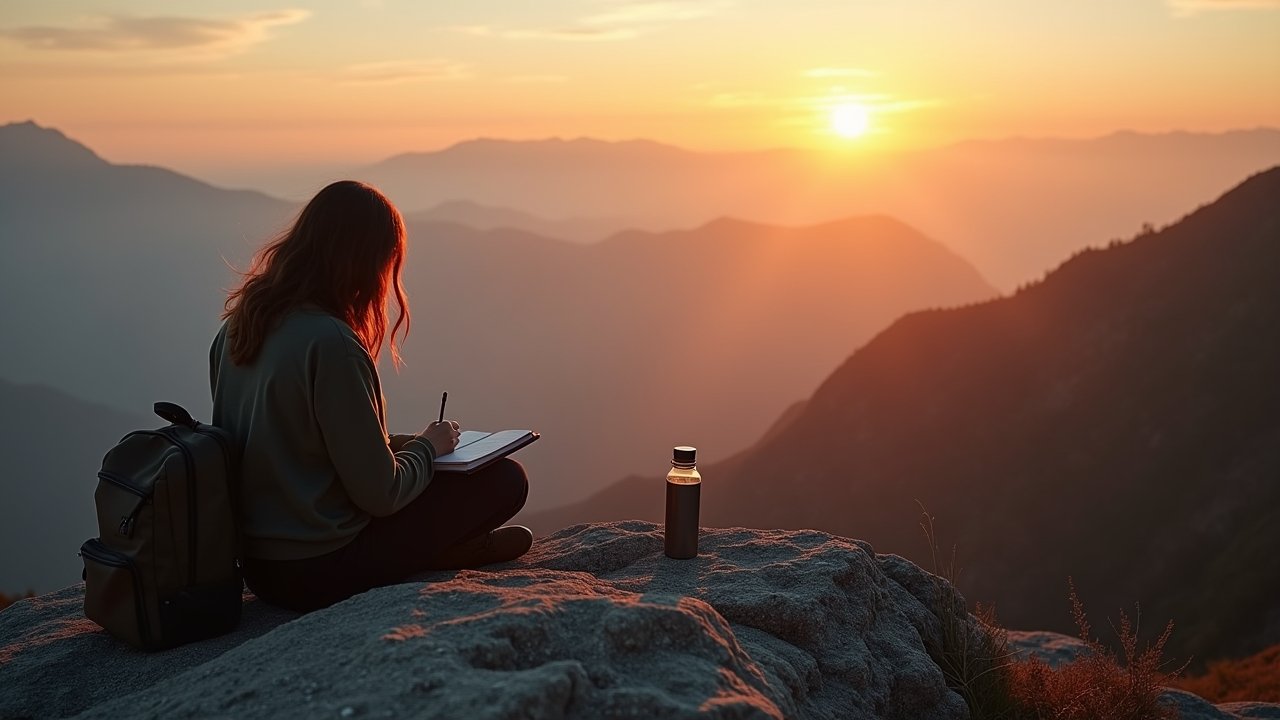
- Bring a journal, you’ll want to track your thinking evolution
- Talk to your employer about sabbatical policies before quitting outright
- Connect with others who’ve done this through communities like outdoor living forums
- Don’t over-plan every single day, leave room for spontaneity
One thing I wish someone had told me: reintegration is hard. Like, really hard. Coming back to “normal” life after months in nature felt jarring, almost violent to my system. Give yourself grace during that transition period too.
Was It Worth It? Absolutely, But…
I’m not gonna lie and say every moment was magical. There were nights I was cold, scared, and questioning every life choice that led me to a tent in the middle of nowhere. But those difficult moments taught me things about resilience that no career coach ever could.
I came back with cl