Advertisements
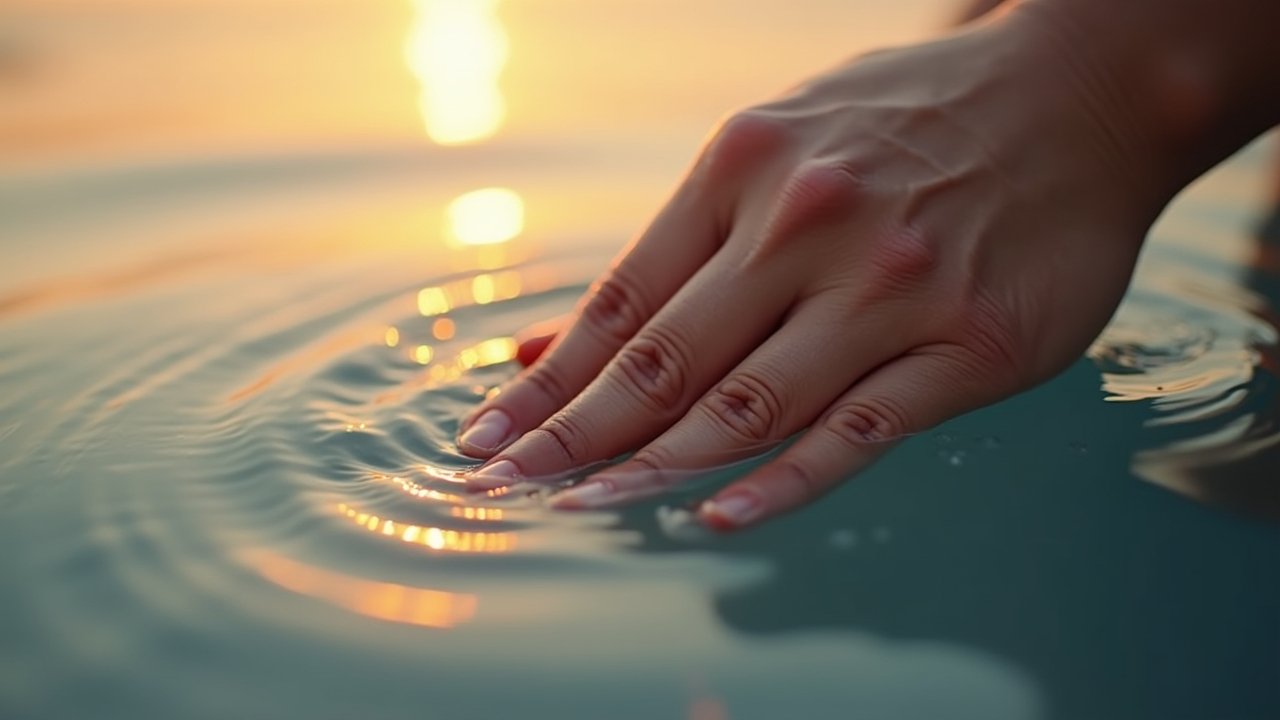
Did you know that just looking at water can lower your cortisol levels? I read that stat years ago and honestly, I brushed it off. Then I moved near a lake and, well, I get it now! There’s something about blue space that messes with your brain in the best way possible, and I’m not talking about a beach vacation kind of thing (though that helps too).
Blue space mental health benefits are becoming a real focus in wellness research, and for good reason. We’re talking oceans, lakes, rivers, even fountains in your local park. Turns out, being near water does something to us that green space alone doesn’t quite match. Let me walk you through what I’ve learned, mostly the hard way.
What Exactly Is Blue Space Anyway?
So blue space just means any area with visible water. Lakes, rivers, canals, oceans, ponds, even a splash pad at a playground counts. I used to think this was some fancy academic term for “go to the beach,” but it’s broader than that.
Researchers at the BlueHealth project in Europe have spent years studying this stuff. They found that people living near coastlines reported better mental health outcomes than those who didn’t. I moved from a landlocked city to a coastal town two years ago and my anxiety genuinely dropped. Coincidence? Maybe. But the data backs it up too.
My Not-So-Smooth Discovery of This
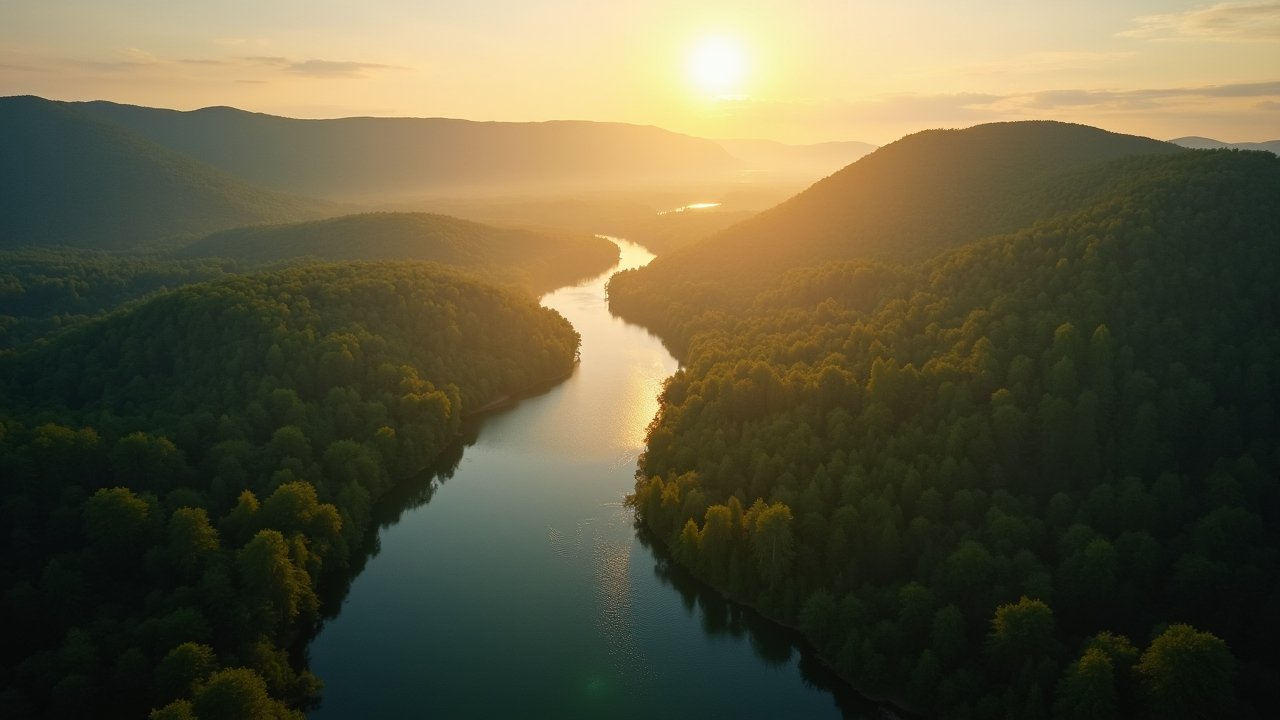
I’ll be honest, I stumbled into this whole blue space thing by accident. I was going through a rough patch, work stress mostly, and started walking by the river near my apartment just to get out of the house. Didn’t think much of it at first.
After about three weeks of these walks, I noticed I wasn’t reaching for my phone every five minutes. My brain felt quieter. It was weird, honestly, like something had been unclenched without me trying.
The Science Behind Why Water Calms Us Down
There’s actual neuroscience here, not just vibes. Watching water can trigger what some researchers call a “soft fascination,” a mental state where your brain relaxes without needing to focus hard on anything.
- Reduces mental fatigue by giving your prefrontal cortex a break
- Lowers heart rate and blood pressure through the sound and sight of moving water
- Increases feelings of awe, which studies link to lower stress
- Encourages physical activity like walking or swimming, which boosts mood naturally
A study published in Journal of Environmental Psychology found that even short exposure to blue space improved mood significantly compared to urban settings. I read this after my river-walking phase and it kind of validated what I’d already felt in my gut.
Practical Ways to Get Your Blue Space Fix
Not everyone lives near an ocean, I know. I didn’t either for most of my life. But you don’t need the Pacific Ocean to get benefits, small doses count too.
Advertisements
Things I’ve Actually Tried
Sit by a fountain during lunch break instead of eating at your desk (I did this for months at my old job)
Take a weekend trip to a nearby lake, even if it’s just for an afternoon
Use a white noise app with ocean or rain sounds when you can’t get outside
Try kayaking or paddleboarding, which combines exercise with blue space exposure
Keep a small water feature at home, I got a tiny desktop fountain and it’s honestly kind of silly but it works
I’ll admit the desktop fountain thing felt a little ridiculous when I bought it. My partner laughed at me. But three months later, they bought one for their own desk, so who’s laughing now?
When Blue Space Isn’t Enough (And That’s Okay)
I want to be real with you here. Blue space therapy, nature therapy, whatever you want to call it, isn’t a replacement for actual mental health treatment. It’s a supplement, not a substitute.
If you’re dealing with clinical depression or severe anxiety, a walk by the water isn’t going to fix that alone. Please talk to a therapist or doctor if you’re struggling. The National Alliance on Mental Illness has great resources if you don’t know where to start looking for support.
My Own Limits With This
There was a period where I leaned on my lake walks a bit too hard, honestly, using them to avoid dealing with bigger issues I needed therapy for. It helped in the moment but wasn’t solving the root problem. Lesson learned, sometimes the hard way.
Making Blue Space Part of Your Routine
Consistency matters more than intensity here. A ten minute walk by water three times a week beats one big beach trip a year, at least based on what researchers and my own experience suggest.
Try pairing it with something else you already do, like listening to a podcast or calling a friend while walking along a river. Multitasking your mental health, basically, and it doesn’t feel forced that way.
So here’s the thing, blue space isn’t some magic cure, but it’s a genuinely helpful tool that’s backed by real research and, in my case, real personal change. Everyone’s situation is different though, so tweak this advice to fit your own life and needs. And remember, if you’re dealing with something heavier than everyday stress, please reach out to a professional, water therapy has its limits.
If you enjoyed this deep dive into blue space and mental wellness, come check out more posts like this over at the Pow Pow Charge blog