Advertisements
Backyard Recovery Zone Design: How I Turned My Neglected Patio Into a Personal Wellness Retreat
Here’s a stat that honestly blew my mind — Americans spend roughly 90% of their time indoors. Ninety percent! When I first read that, I looked out my back window at the sad, overgrown patch of grass I called a yard and thought, “What a waste.” That was about two years ago, and since then I’ve become slightly obsessed with backyard recovery zone design. It’s genuinely changed how I rest, recharge, and even how sore I feel after workouts.
What Even Is a Backyard Recovery Zone?
So let me back up. A backyard recovery zone is basically a dedicated outdoor space designed to help your body and mind recover — whether that’s from exercise, work stress, or just the chaos of daily life. Think cold plunge tubs, stretching areas, hammocks, and maybe some greenery that doesn’t make you sneeze.
It’s not about spending thousands on fancy equipment. Mine started with a yoga mat on the porch and a $30 inflatable ice bath I found on Amazon. Was it glamorous? Absolutely not. But it worked, and that’s what matters.
Starting Small: My First (Terrible) Attempt
I’ll be honest, my first crack at this was a disaster. I threw a foam roller next to my grill, hung a resistance band from a tree branch that was way too flimsy, and called it a “recovery station.” The branch snapped during my second stretch session. Scared my dog half to death.
What I learned from that embarrassment is that planning matters. You gotta think about the flow of your space — where you’ll stretch, where you’ll cool down, where you’ll just sit and breathe. I started sketching things out on graph paper like some kind of amateur landscape architect, and honestly that simple step made everything click.
The Essential Elements of a Great Recovery Zone
After a lot of trial and error, here’s what I think every solid backyard recovery zone needs:
- A flat, stable surface for stretching and mobility work. Grass is fine but uneven. I eventually put down interlocking rubber tiles over a small section — game changer for yoga and foam rolling.
- Some form of cold or hot therapy. A cold plunge tub or even a stock tank filled with ice water does wonders for muscle soreness. If you’re into heat, a portable infrared sauna blanket works great outdoors on cool evenings.
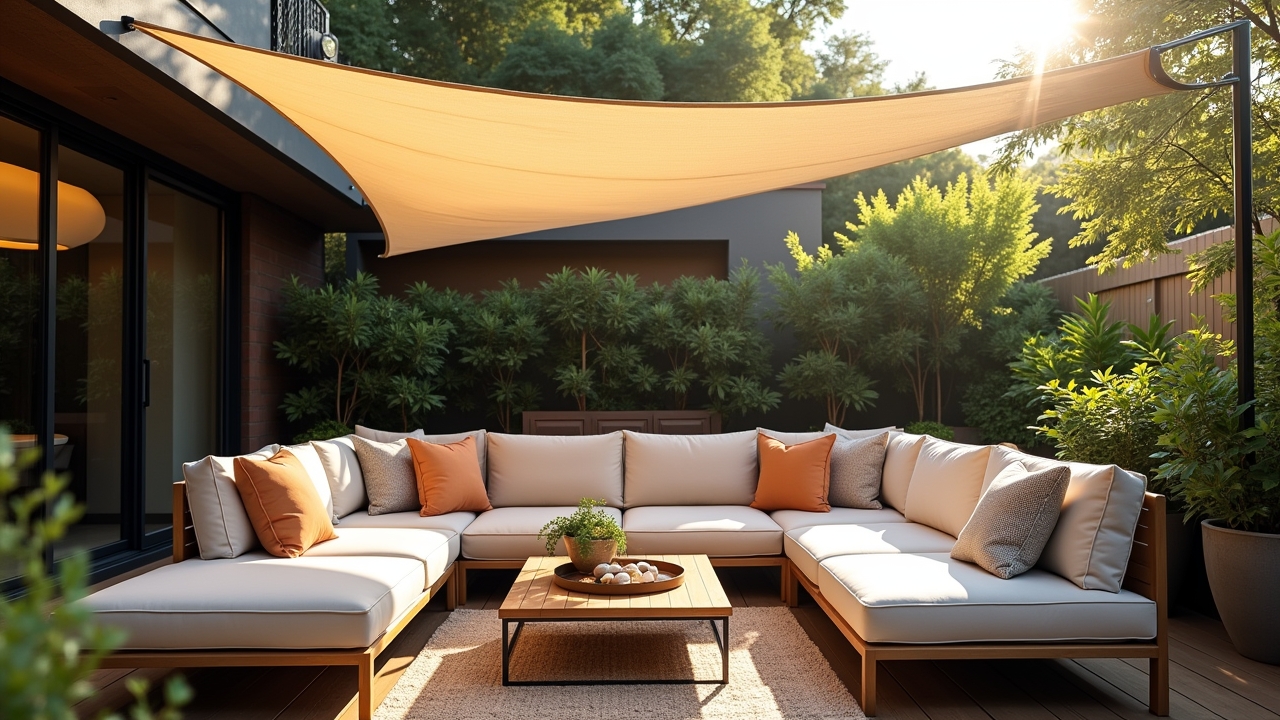
- Shade and shelter. I cannot stress this enough. My first summer I was trying to meditate in direct Texas sun and nearly gave myself heatstroke. A simple patio umbrella or a shade sail makes the space usable year-round.
- Comfortable seating for passive recovery. A zero-gravity chair or a hammock. Something where you can just exist for twenty minutes without your phone.
- Plants and natural elements. This sounds woo-woo, but studies from places like Nature journal show that being around greenery legitimately reduces cortisol levels. I added some potted lavender and a small fern arrangement, and the vibe shifted immediately.
Budget-Friendly Tips That Actually Work
Look, I’m a teacher. I don’t have unlimited funds for this stuff. Most of my recovery zone was built with under $200 over several months. Stock tanks from Tractor Supply make excellent cold plunge pools for like $70. Thrift stores almost always have outdoor furniture nobody wants.
One of my best moves was repurposing old pallets into a simple platform for my stretching area. A little sanding, some weather sealant, and boom — functional outdoor wellness space. My neighbor thought I was building a stage, which was pretty funny actually.
Your Backyard Is Waiting
Here’s the thing — your recovery matters just as much as your workouts, your hustle, your grind. Designing a backyard recovery zone doesn’t require perfection or a huge budget. It just requires intention. Start with one element, see how it feels, and build from there.
Advertisements
Just please, learn from me — test your tree branches before you hang anything from them. Safety first, always. And if you’re looking for more ideas on wellness, outdoor living, and recharging your batteries, come hang out with us over at Pow Pow Charge. We’ve got plenty more where this came from!