Advertisements
The Outdoor Rock Climbing Guide I Wish Someone Gave Me Before My First Send
Here’s a wild stat for you — outdoor rock climbing participation has jumped over 30% in the last five years. I was part of that wave back in 2019, and honestly? I had absolutely no clue what I was doing when I first touched real rock.
Whether you’re transitioning from the indoor gym or starting completely from scratch, having a solid outdoor rock climbing guide matters more than you think. I learned that the hard way after showing up to my first outdoor crag in basketball shorts with zero sunscreen. So let me save you some embarrassment and maybe a sunburn.
Gear Up Without Going Broke
Look, climbing gear ain’t cheap. But you don’t need to buy everything on day one, and that was a mistake I almost made at REI when a very enthusiastic sales associate tried to sell me a full trad rack.
For your first outdoor climbing trips, here’s what you actually need:
- A well-fitted climbing harness
- Climbing shoes that are snug but not torture devices
- A belay device (an ATC or GriGri works great)
- A locking carabiner
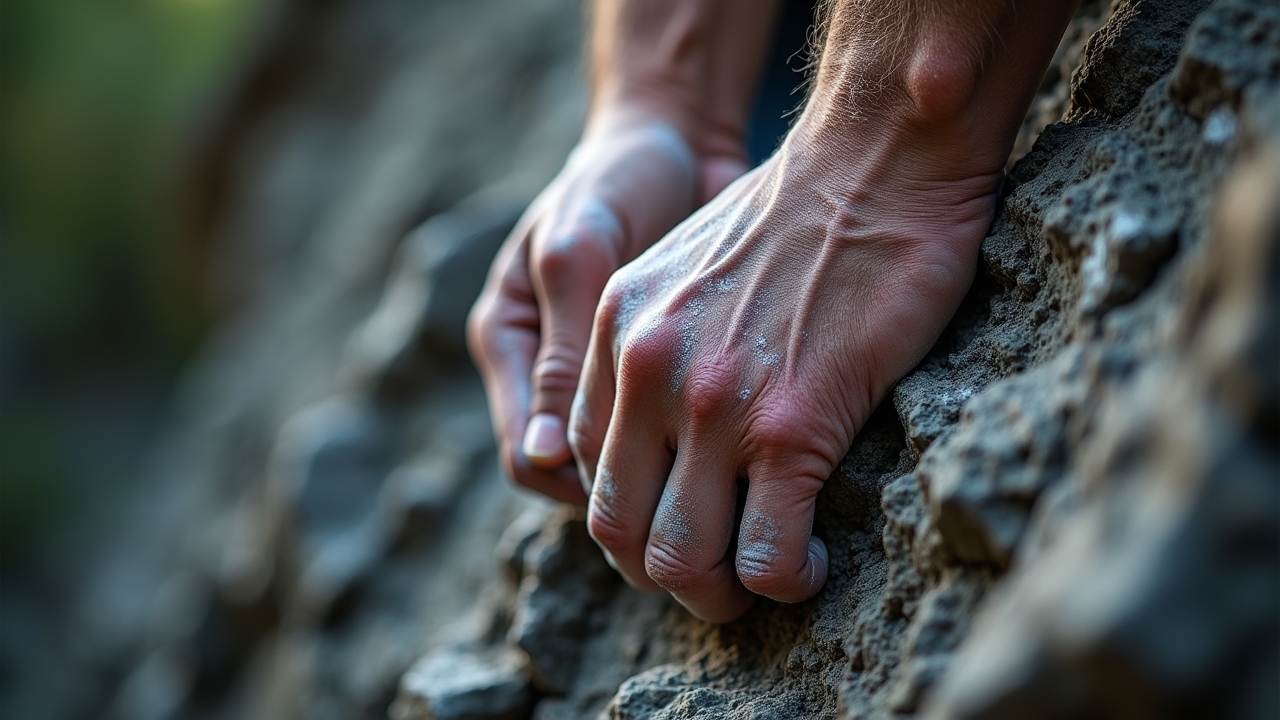
- A chalk bag and climbing chalk
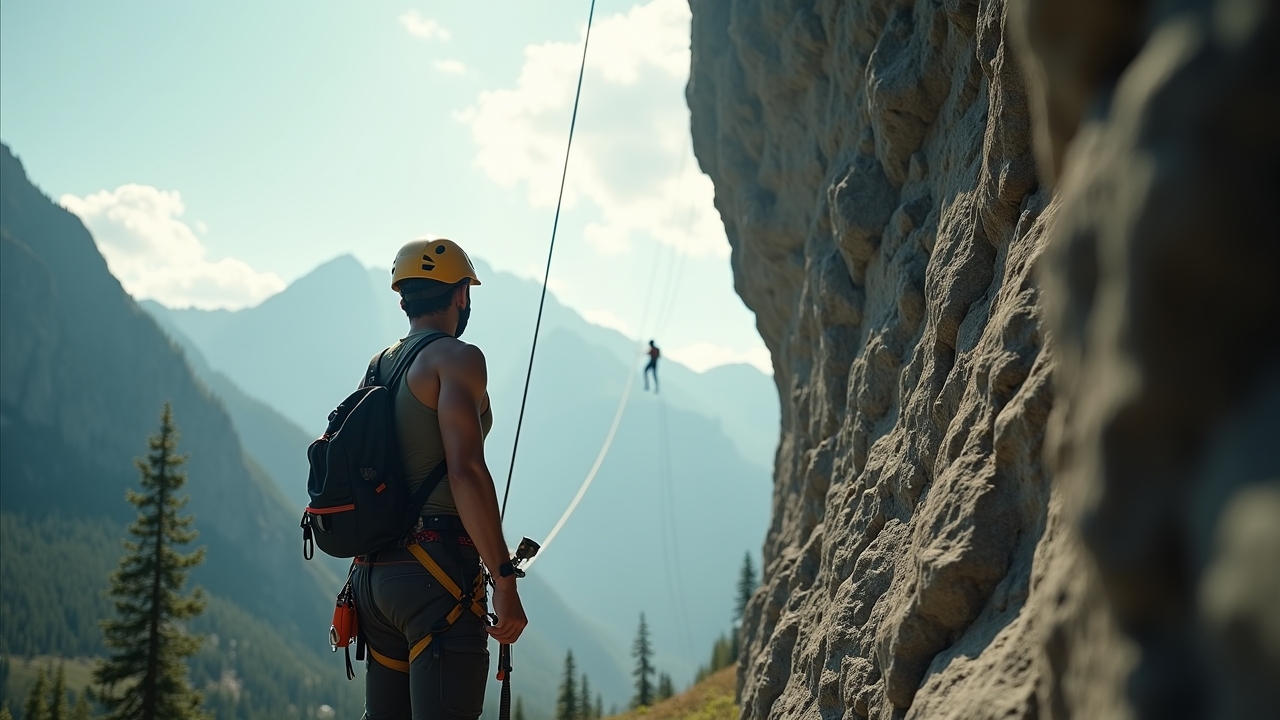
- A helmet — seriously, don’t skip this one
The helmet thing isn’t negotiable. I once watched a fist-sized rock come loose about 40 feet up and land right where someone’s head had been two seconds earlier. Outdoor climbing is not the gym — nature doesn’t pad its walls for you.
Picking Your First Outdoor Climbing Spot
This is where a lot of beginners mess up, myself included. I picked a route based on how cool it looked on Instagram and ended up way over my head on a 5.10a when I could barely send 5.7 outdoors.
Outdoor grades feel harder than gym grades. Like, significantly harder. A good rule of thumb is to drop your indoor grade by two or three levels when you step outside.
Start at beginner-friendly crags with well-bolted sport climbing routes. Websites like Mountain Project are absolute goldmines for finding local climbing areas, reading route descriptions, and checking difficulty ratings. I still use it before every single trip.
Learn the Rope Skills That Actually Matter
Indoor climbing kinda spoils you because the routes are already set up and the staff checks everything. Outside, you’re responsible for your own safety systems, and that’s both terrifying and empowering.
Advertisements
Before heading outdoors, you should be comfortable with:
- Tying a figure-eight follow-through knot
- Proper belay technique for lead and top-rope climbing
- Cleaning an anchor at the top of a route
- Basic communication calls between climber and belayer
I’d been climbing indoors for about six months before I went outside, and I still took an outdoor climbing course first. Best decision I ever made. My instructor caught like three bad habits I didn’t even know I had.
Respect the Rock and the Community
Here’s something that doesn’t get talked about enough in most outdoor rock climbing guides — etiquette. The climbing community is generally awesome, but there’s some unwritten rules you gotta follow.
Don’t hog routes when other parties are waiting. Pick up your tape, wrappers, and chalk spills. Stay on established trails to protect the surrounding environment. And for the love of all things holy, don’t blast music at the crag — I’ve seen actual arguments break out over this.
Also, check local access information before you go. Some areas have seasonal closures for nesting birds or other wildlife, and violating them can get crags shut down permanently for everyone. The Access Fund is a great resource for staying informed about climbing area ethics and conservation.
Now Get Out There and Climb Something
Outdoor climbing changed my life in ways I genuinely didn’t expect. It taught me patience, humility, and that my forearms have limits I never knew existed. The transition from plastic holds to real rock is one of the most rewarding things you’ll ever do as a climber.
Take what works from this guide and adapt it to your own journey. Always prioritize safety over sending, climb with experienced partners whenever possible, and never rush the learning process. Your body and your climbing partners will thank you.
If you’re hungry for more outdoor adventure tips and gear recommendations, swing by the Pow Pow Charge blog — we’ve got tons of content to help fuel your next adventure!