Advertisements
How Green Spaces Can Actually Lower Your Blood Pressure (I Learned This the Hard Way)
Here’s a stat that honestly blew my mind: spending just 20 minutes in a park can reduce your blood pressure by up to 10%. I stumbled across that nugget right around the time my doctor told me my numbers were creeping into “we need to talk” territory. At 38 years old, I was not ready for that conversation!
The connection between green spaces and blood pressure is something I wish I’d taken seriously way sooner. So let me walk you through what I’ve learned, both from research and from my own messy journey toward better cardiovascular health.
My Wake-Up Call at the Doctor’s Office
Look, I’m a teacher. I spend most of my day indoors under fluorescent lights, stress-eating granola bars between classes. When my doctor said my blood pressure was sitting at 145/92, I honestly thought the machine was broken.
It wasn’t. She recommended medication, but also mentioned something that sounded almost too simple — spending more time in nature. I was skeptical, not gonna lie. But a study from the American Heart Association backed her up, showing that regular exposure to urban green spaces is linked to lower systolic and diastolic blood pressure readings.
Why Nature Actually Works on Your Blood Vessels
So here’s the deal with how this actually works in your body. When you’re surrounded by trees, grass, and open air, your cortisol levels drop. Cortisol is that pesky stress hormone that makes your blood vessels tighten up like a fist.
Lower cortisol means your arteries relax, and relaxed arteries mean better blood flow and reduced hypertension risk. There’s also something called phytoncides — these are chemicals that trees release — and they’ve been shown to calm your nervous system. Research published in Environmental Research found that people living near parks and forests had significantly lower rates of heart disease.
Pretty wild that trees are basically doing free healthcare, right?
What I Actually Changed in My Routine
I started small. Like, embarrassingly small. My first “nature walk” was a ten-minute loop around the park near my school during lunch break.
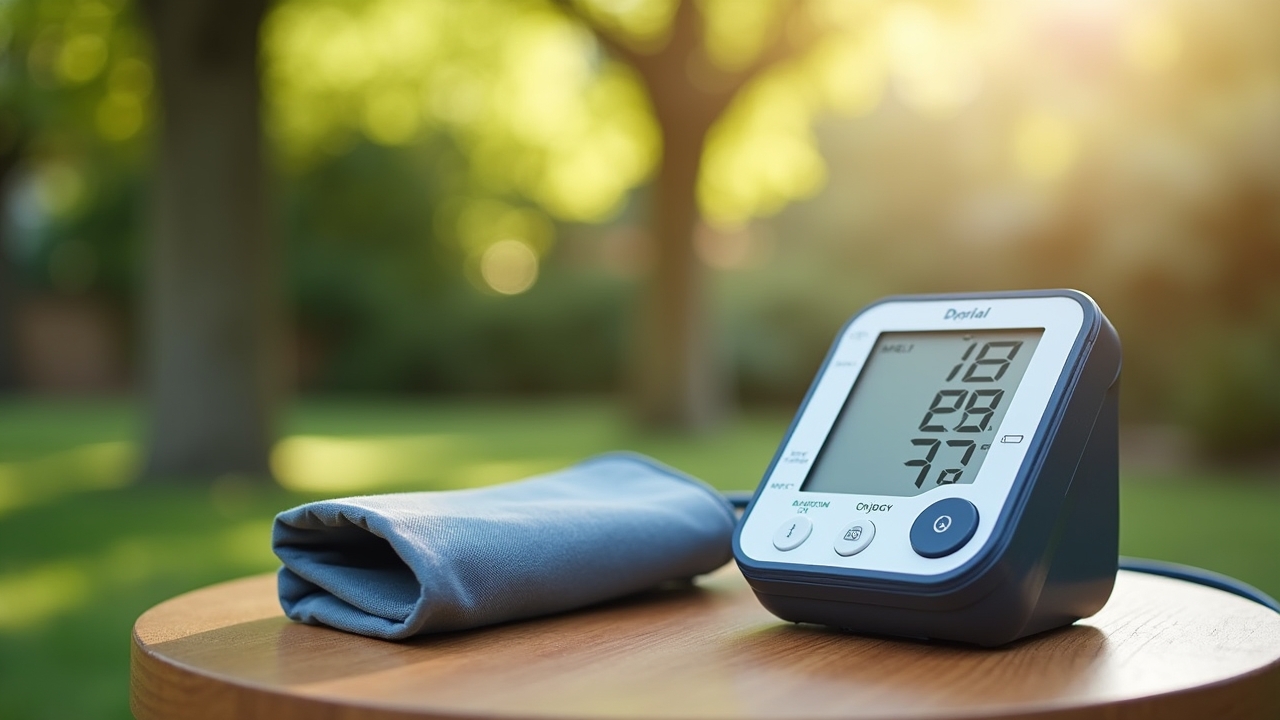
But here’s what surprised me — even that tiny bit of outdoor time in a green environment made a noticeable difference in how I felt by the afternoon. After about three weeks of consistent park walks, I bought a cheap blood pressure monitor from Amazon and started tracking my numbers at home. They were already coming down.
Advertisements
Here’s what worked for me specifically:
- Walking in my local park for 20-30 minutes at least four days a week
- Sitting under trees on weekends instead of binging Netflix (okay, I still binge sometimes)
- Doing light stretching or breathing exercises outdoors
- Swapping my indoor gym sessions for trail walks when the weather allowed it
You Don’t Need a Forest — A Backyard Counts
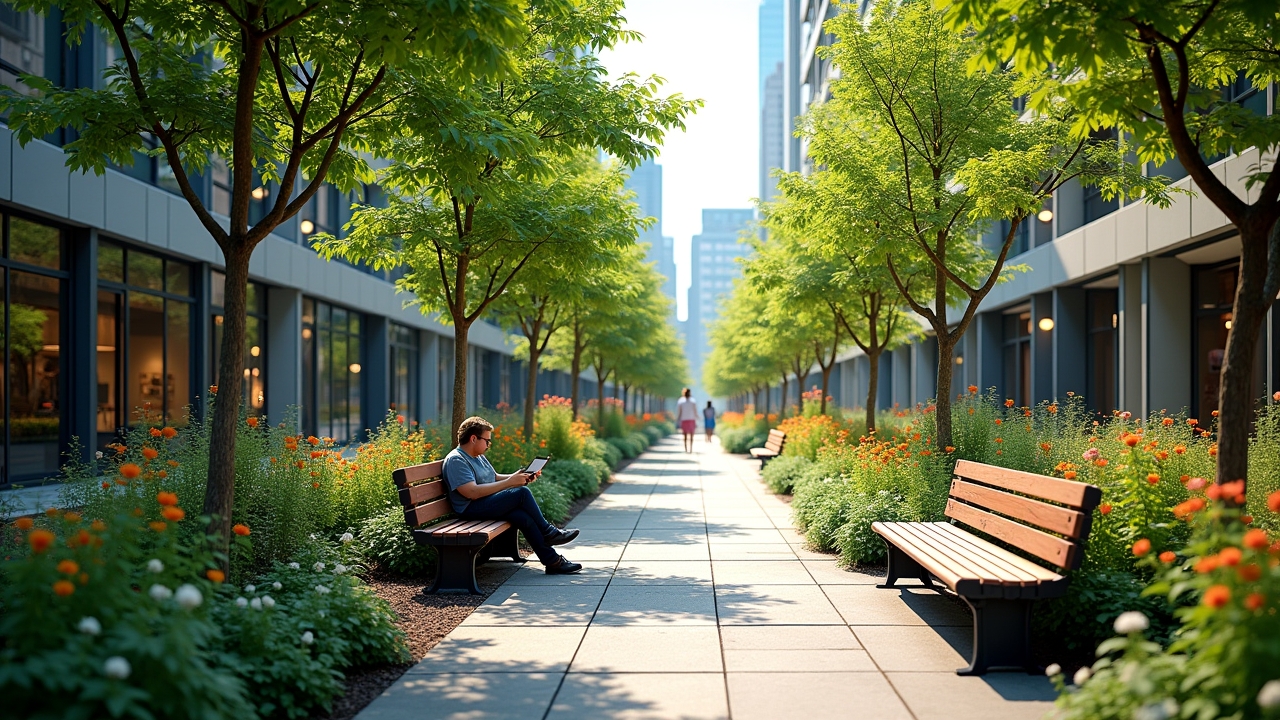
One mistake I made early on was thinking I needed to drive to some majestic national park to get benefits. Nope. Even small urban green spaces, community gardens, or a tree-lined street can have a positive effect on your blood pressure levels.
A World Health Organization report actually emphasized that accessible neighborhood greenery is one of the most impactful public health interventions available. So if you’ve got a patch of grass nearby, you’re already set.
The Numbers Don’t Lie
After about two months of making green space exposure a regular habit, my blood pressure dropped to 128/84. That’s not perfect, but my doctor was genuinely impressed. She still monitors me, and I’m still being careful with sodium and stress management — this ain’t a magic cure.
But combining time in nature with other healthy habits like reducing salt intake and staying physically active has been a game changer for my cardiovascular wellness.
Your Turn to Step Outside
The relationship between green spaces and blood pressure isn’t some hippie nonsense. It’s backed by real science, and honestly, it’s one of the easiest lifestyle changes you can make. Tailor it to your own schedule and comfort level — even five minutes outside counts as a start.
Just remember, always keep your doctor in the loop about your blood pressure management plan. Nature is powerful, but it works best alongside professional medical advice.
If you found this helpful, come explore more health and wellness tips over at Pow Pow Charge — we’ve got plenty more where this came from!